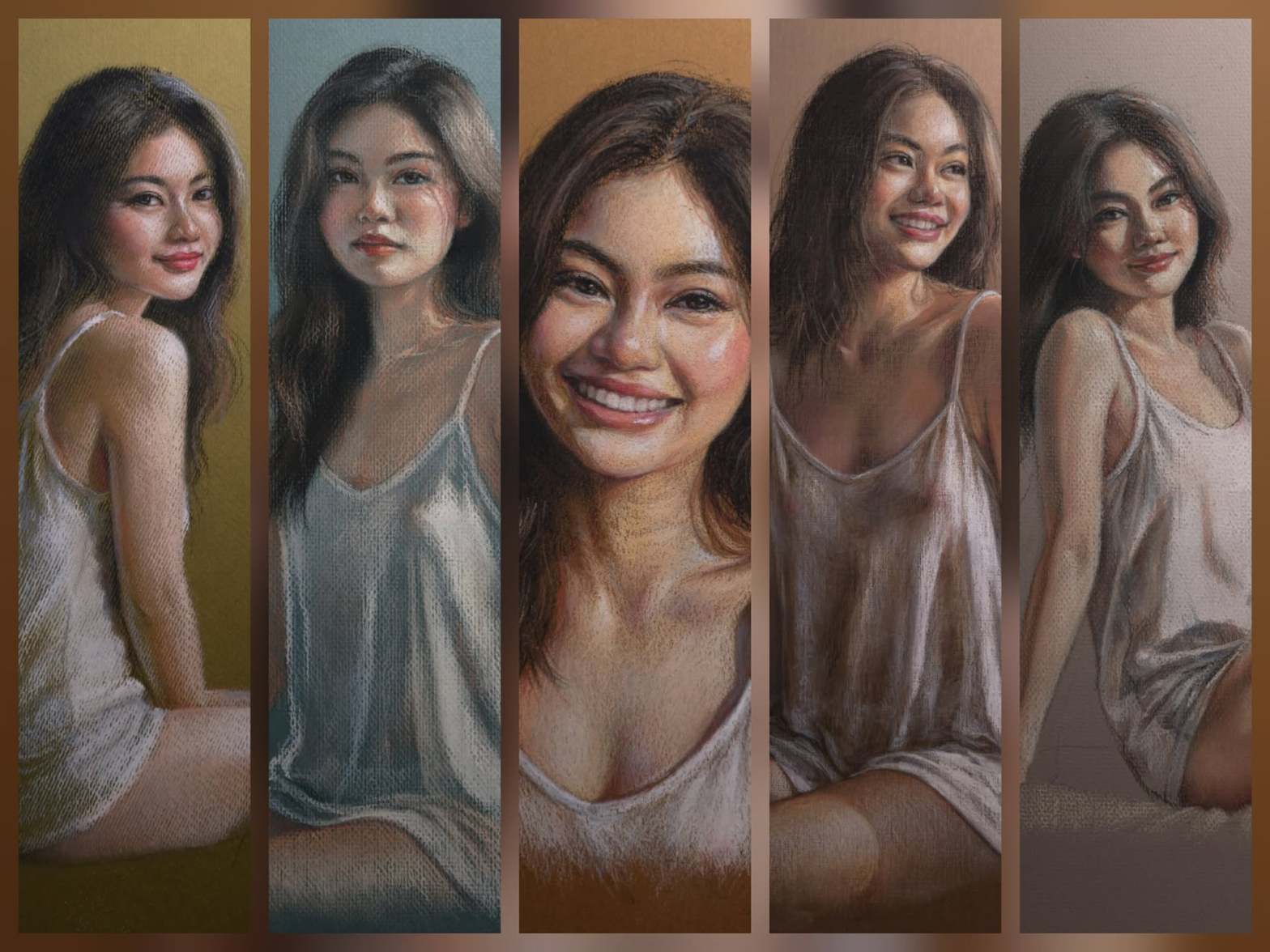
Throughout history, many of the most ambitious figurative painters have been driven by a definitive muse. BenCab has Sabel. Botticelli had Venus. The ancient Greek master Zeuxis famously studied five different women just to paint Helen of Troy—simply because no single living model possessed the absolute, flawless perfection he needed.
I wanted my own version of that. I wanted an iconic Filipina archetype to anchor my legacy and my technical discipline. But instead of waiting for one single model to walk into my studio, I attempted what the old masters did. I manifested her.
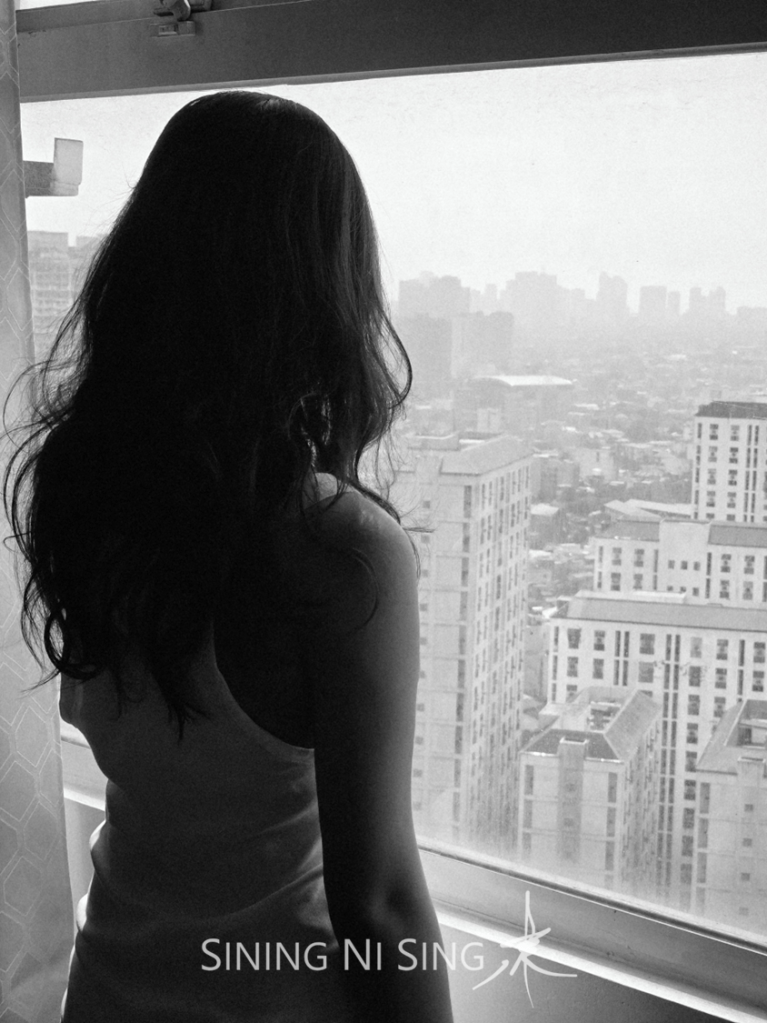
The Visionary Archetype
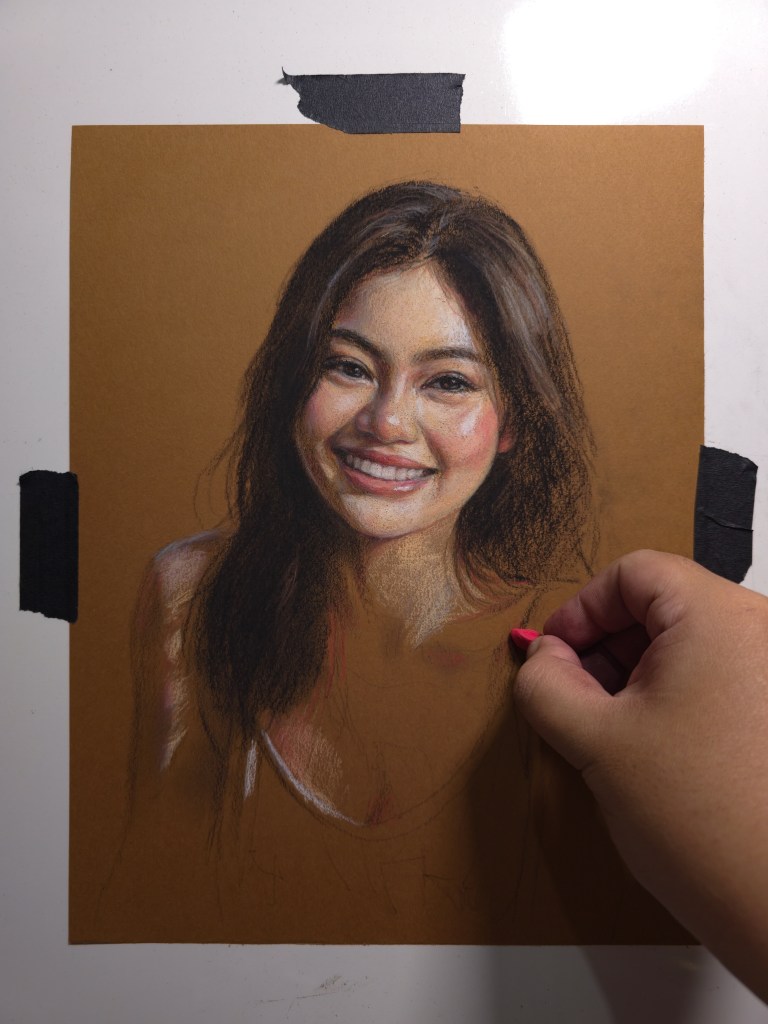
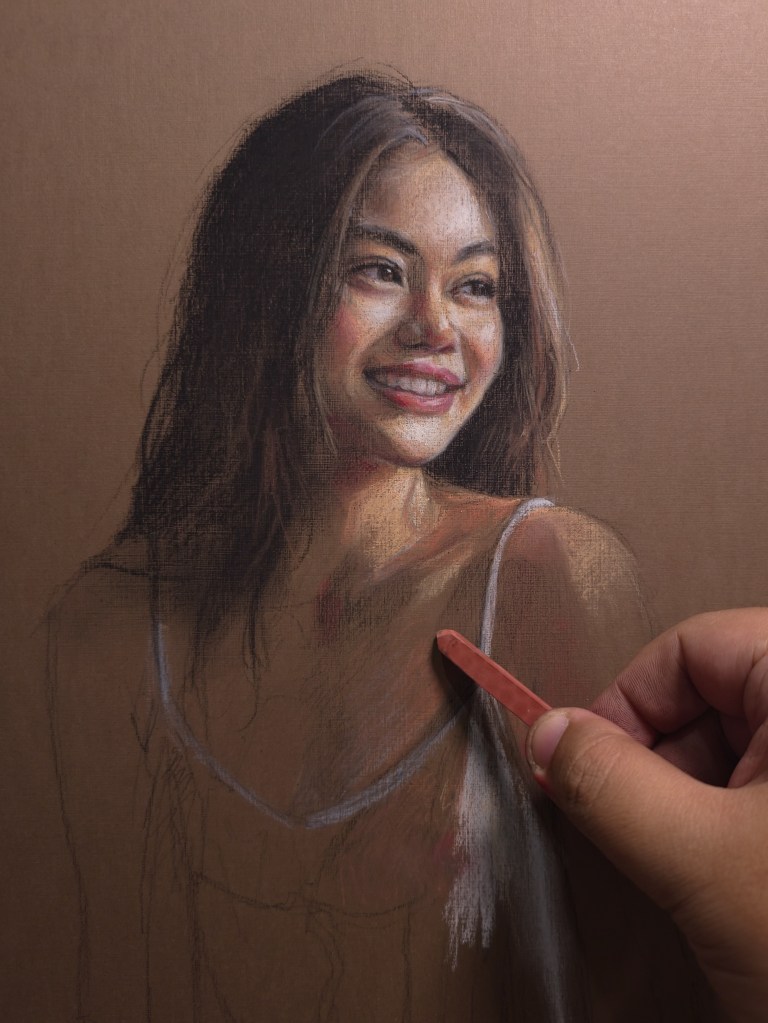
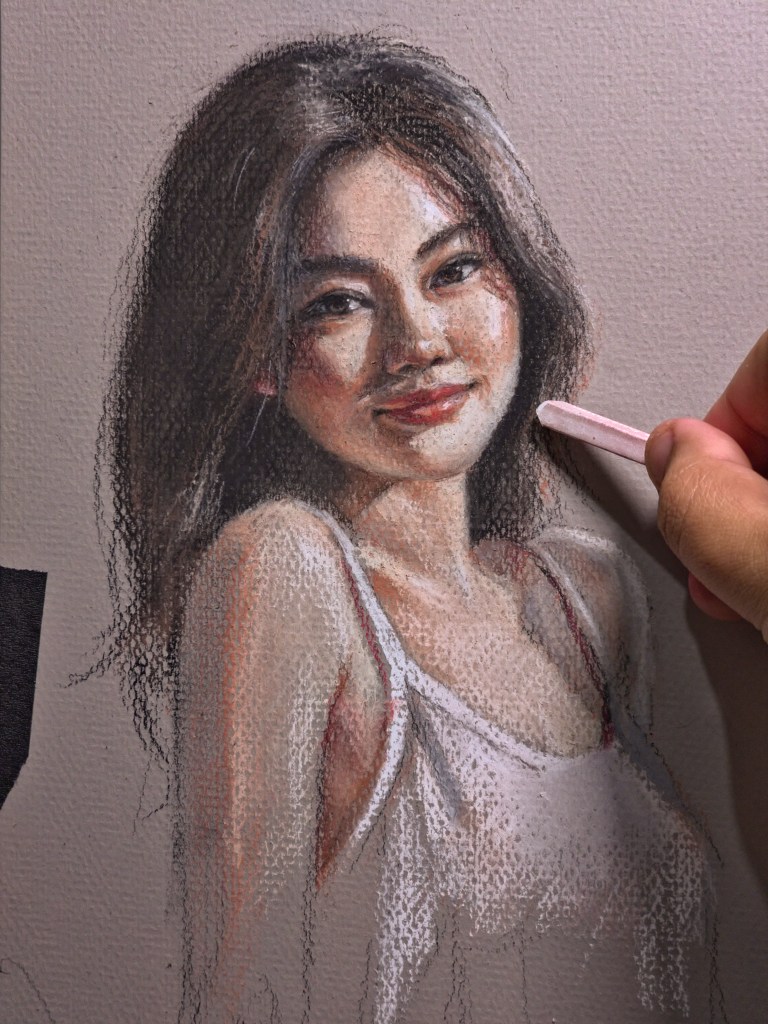
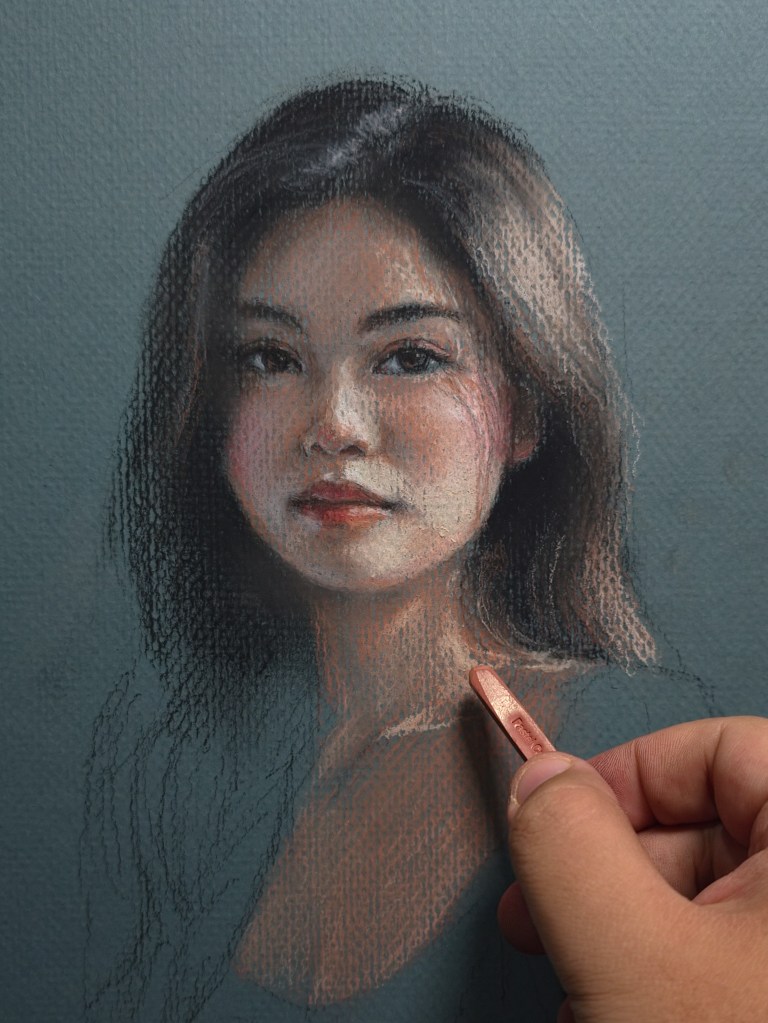
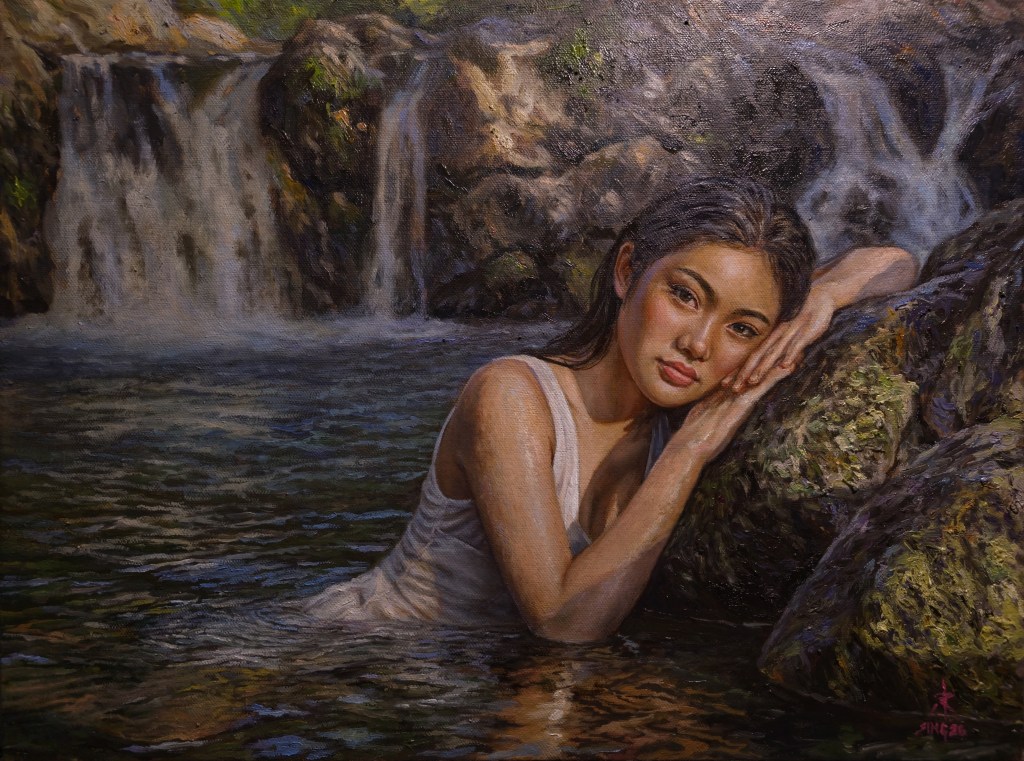
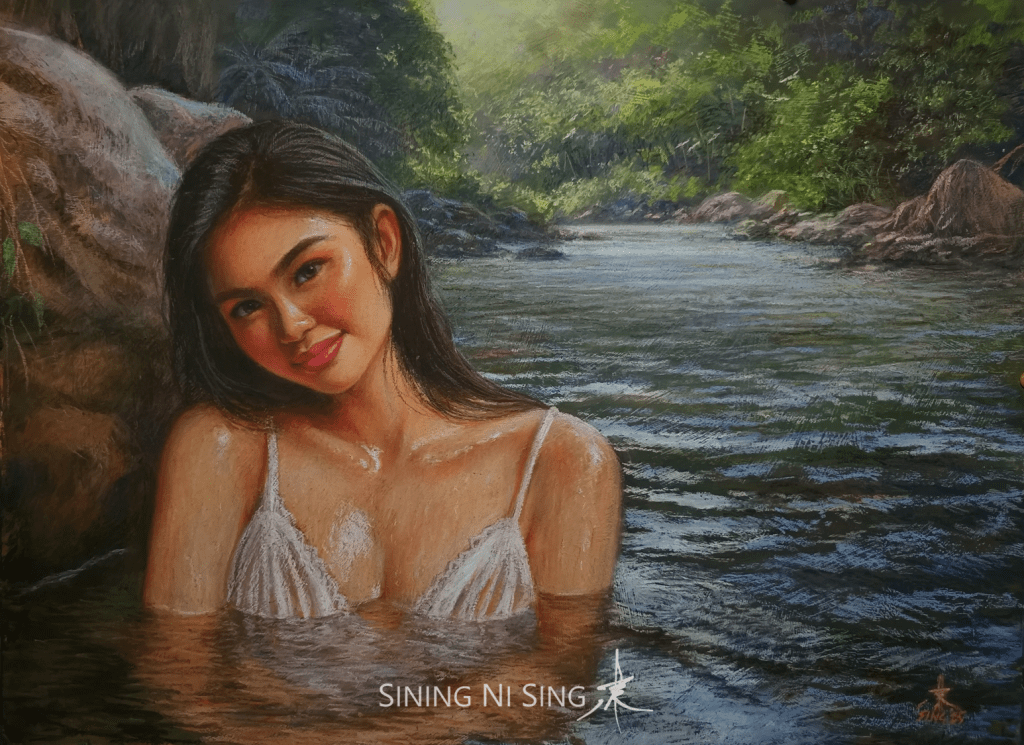
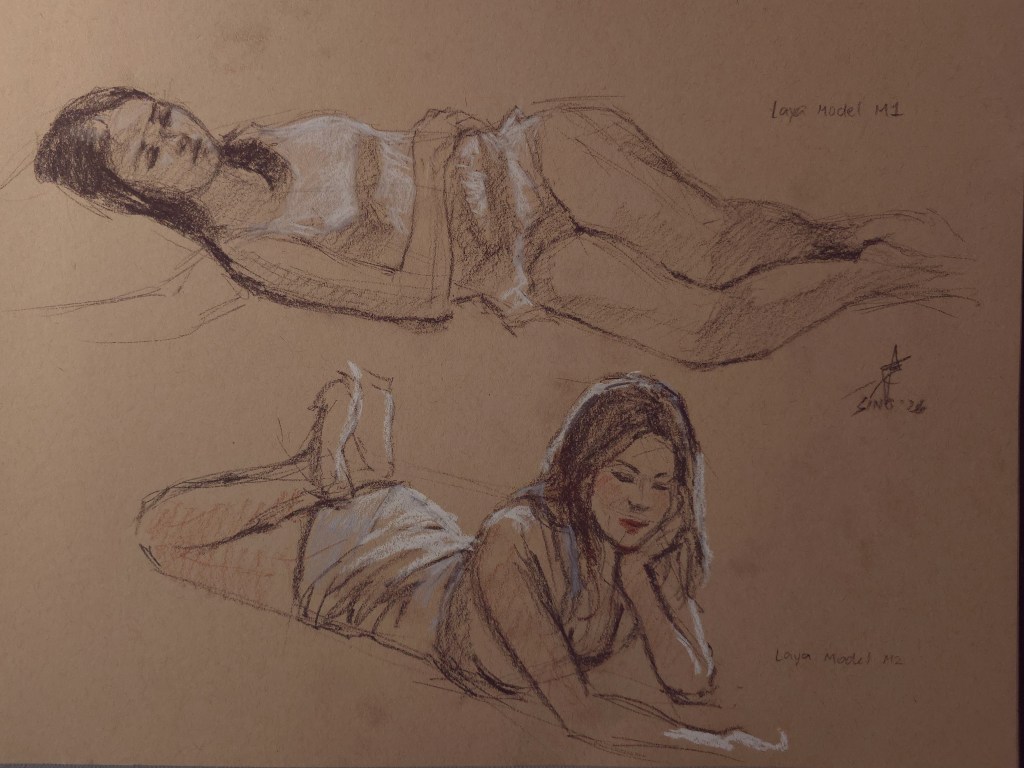
Meet Laya. She is not a specific, living woman. She is a visionary archetype—a multifaceted study of form and spirit woven together through years of observation. She is a refined synthesis of diverse life studies, a distillation of anatomical grace gathered from the most compelling features of various muses.
But Laya is more than just a technical exercise in light and shadow. She is a vessel for my own creative soul and conviction. Every brushstroke carries the weight of my artistic grit; every highlight is a fragment of the discipline I have built over the years. She is the manifestation of my drive to master the human form—she is my most pivotal body of work to date that continues to evolve.
Her story is the story of the Filipina spirit—unbound (Laya) and observant. She isn’t one person; she is the collective strength and grace I’ve seen in every woman who has ever sat for me. Her personality is authority. She isn’t there to be looked at; she is there to look through you. She is the observer, not the observed.
The Sacred Exposure
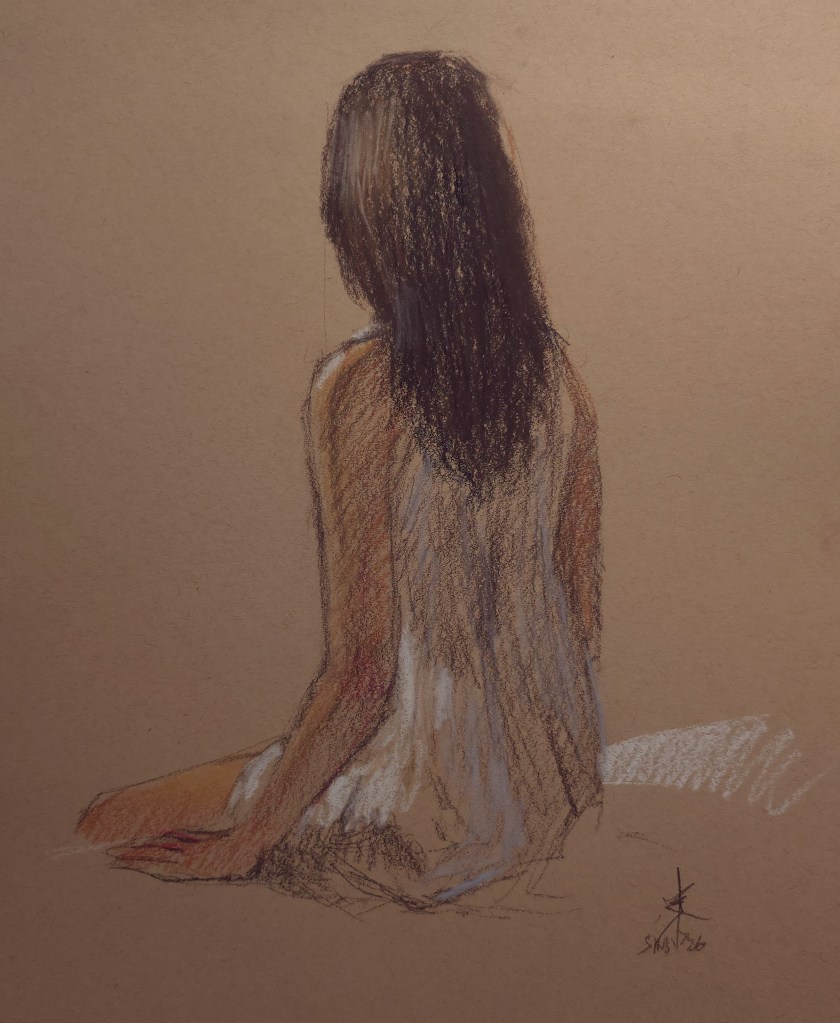
You will usually find Laya on my easel wearing nothing but a simple white tank top. Sometimes, she is entirely unclad, draped only in the dramatic light of a quiet room or wading on a secluded stream.
Let’s clear the air: this is not about provocation; it is about stripping away the noise. Unbound by era or fleeting trends, this deliberate exposure is an act of classical reverence. It is an attempt to capture a level of beauty that silences primal instincts and replaces them with a profound, quiet awe. By simplifying the elements, I allow the viewer to focus entirely on the sacred interaction between light and the human form.
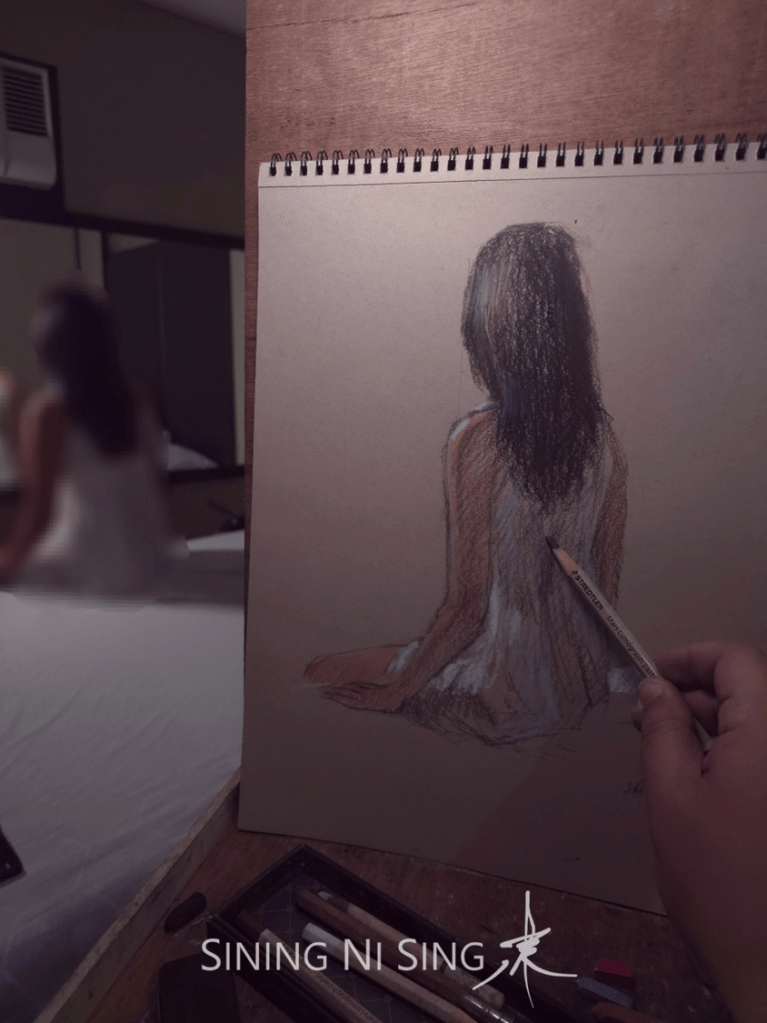
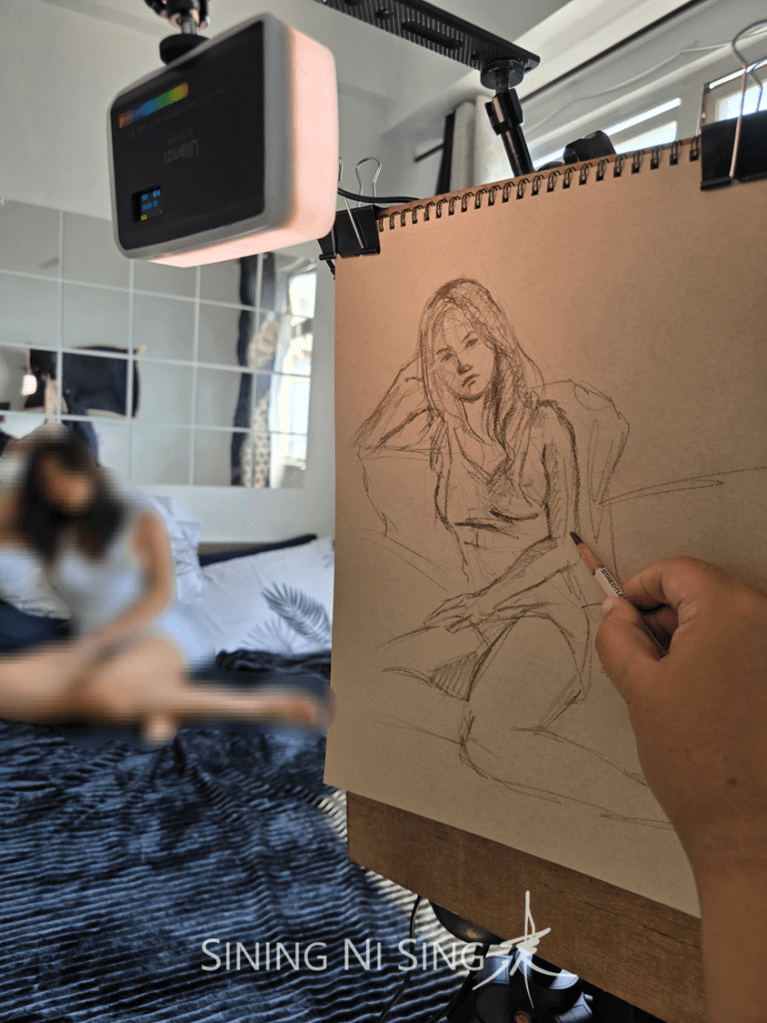
The Studio Methodology
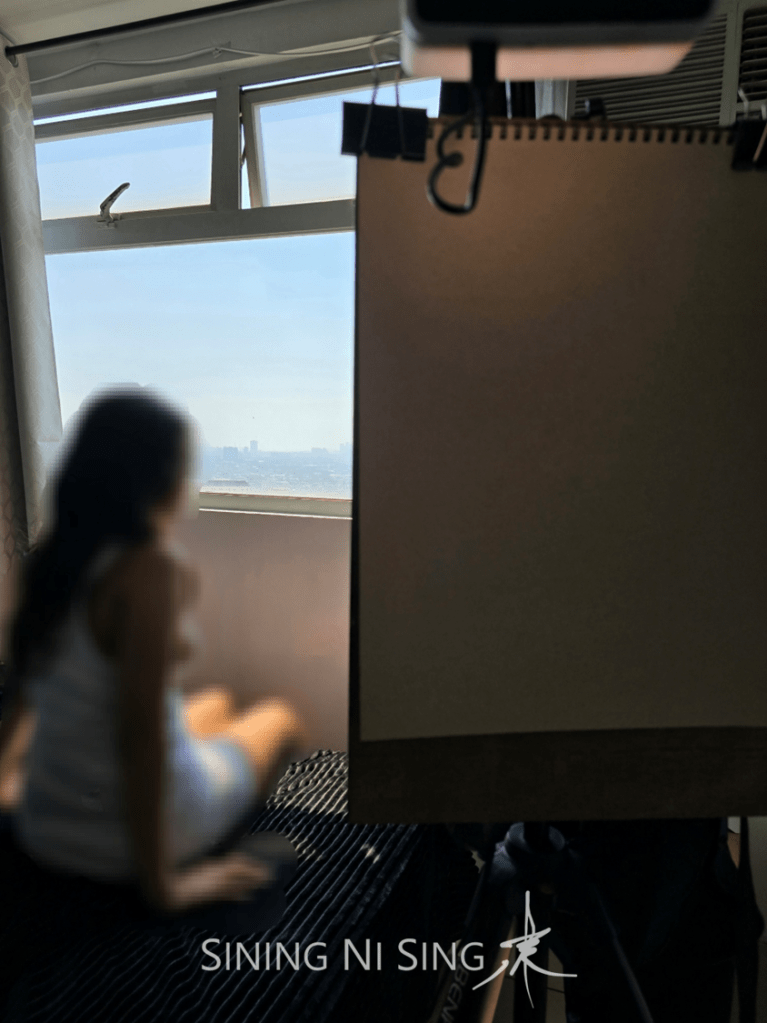
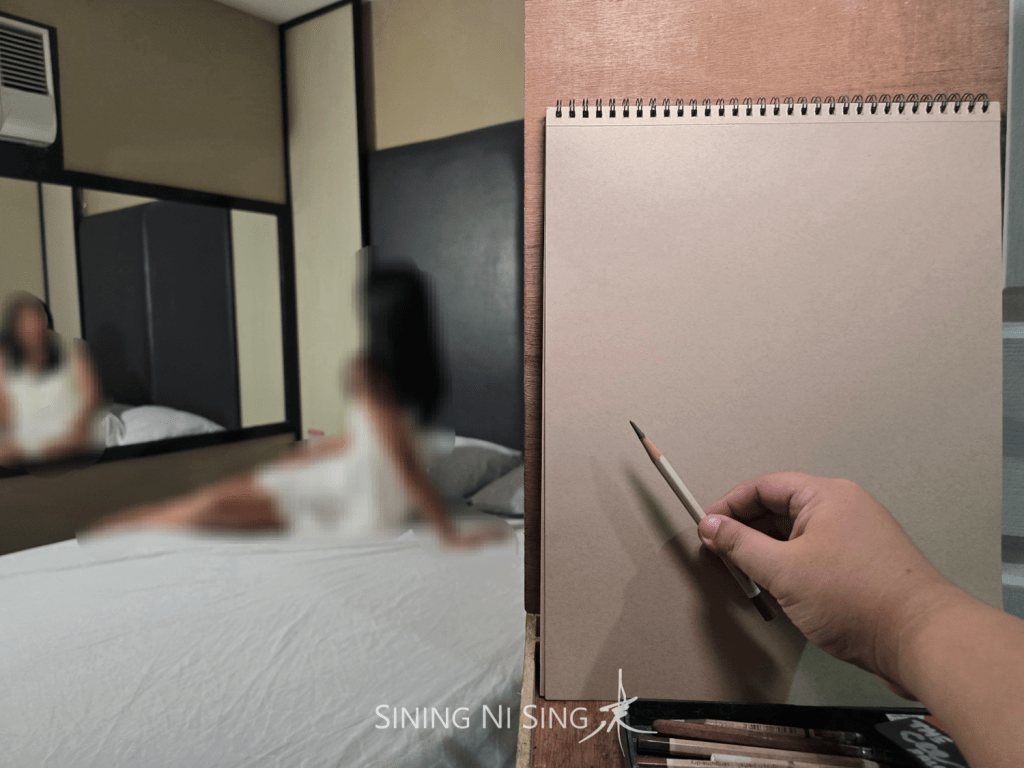
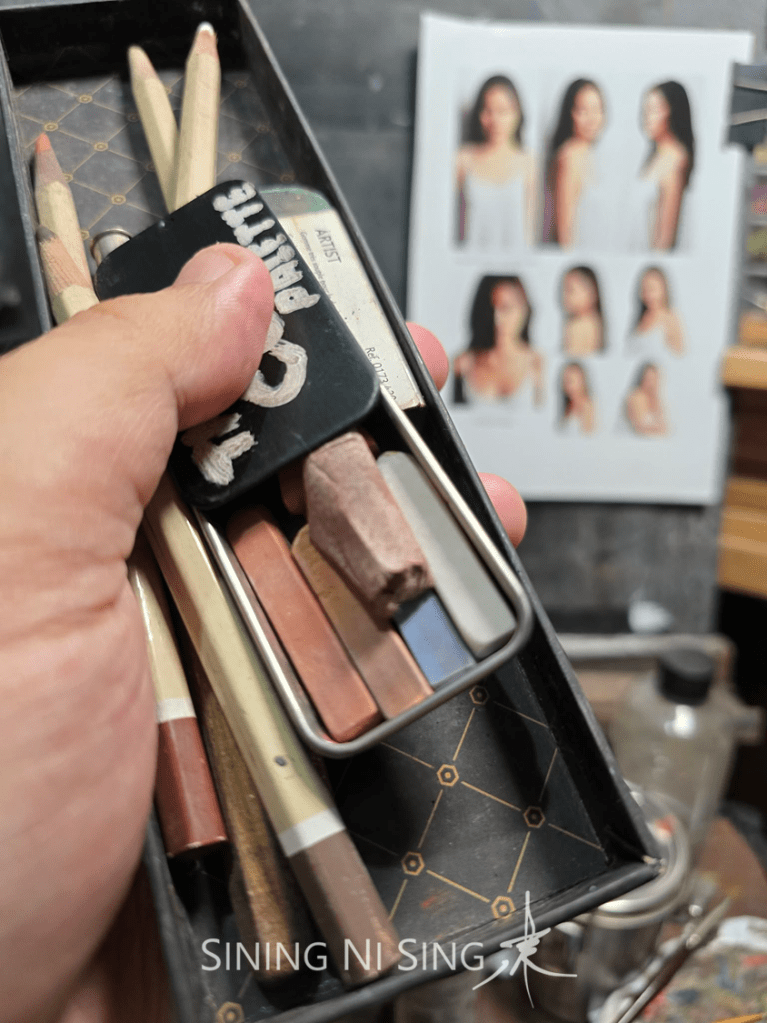
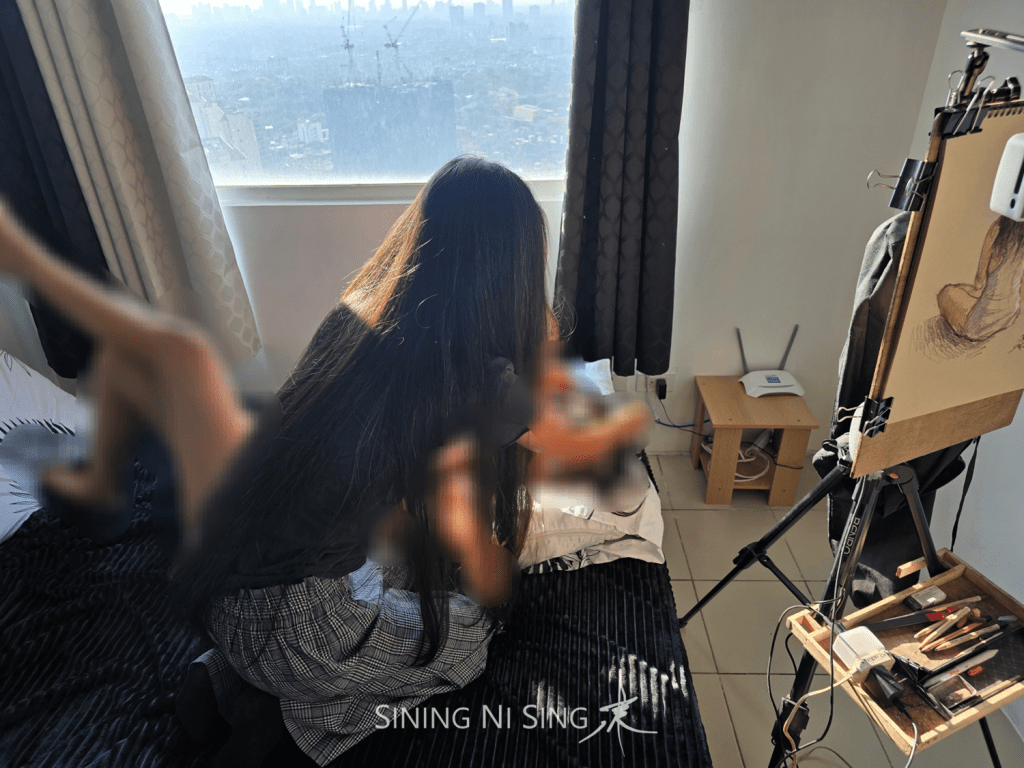
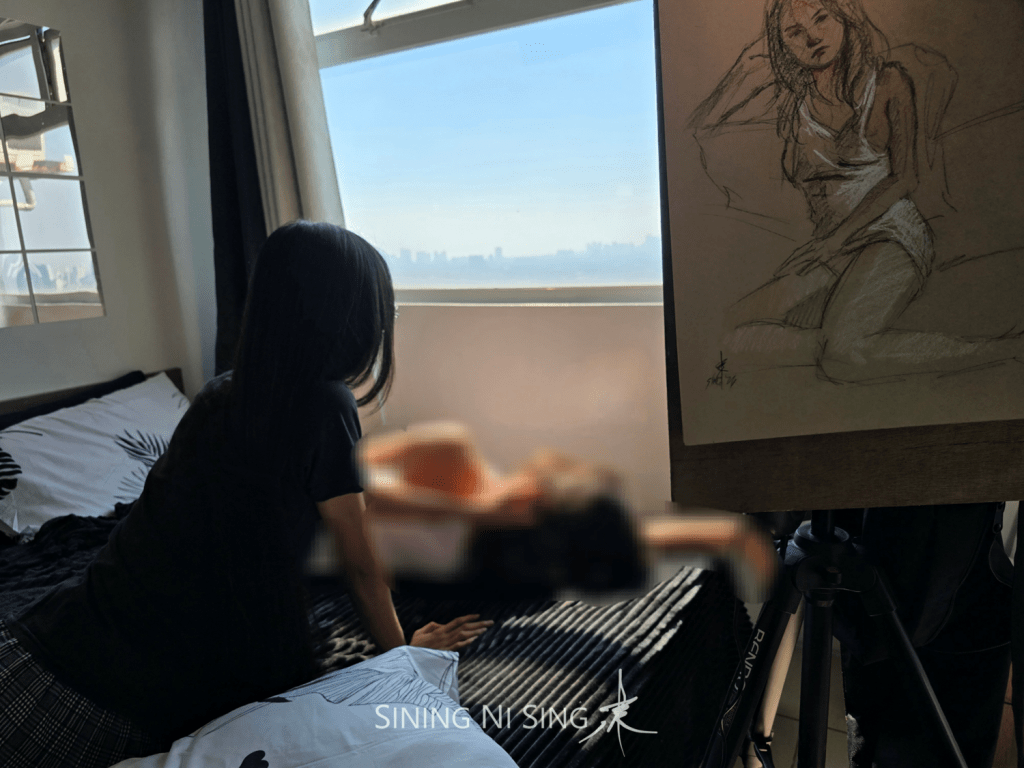
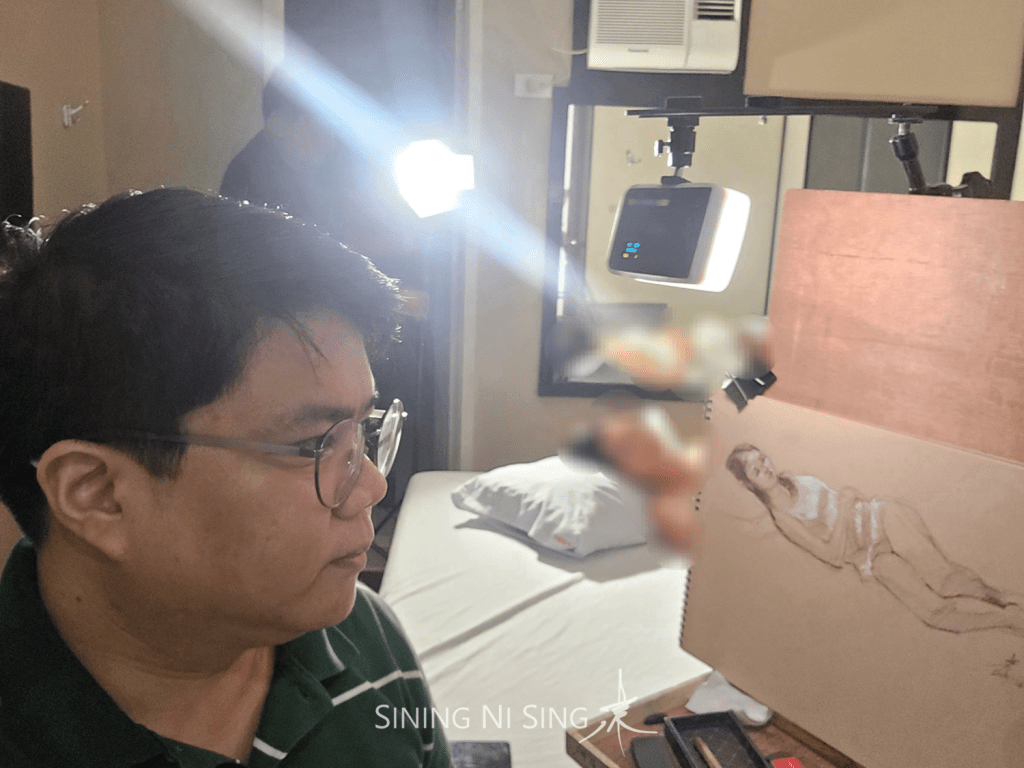
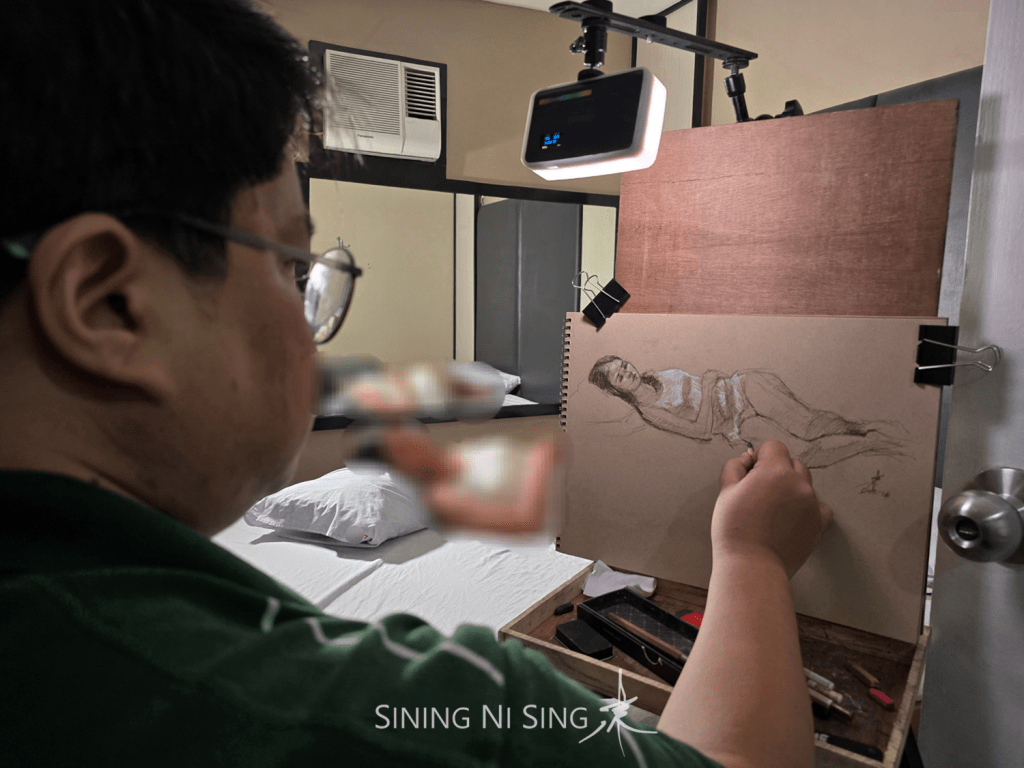
The realization of this vision required a studio environment rooted in absolute professionalism. The individuals who contributed to Laya’s form were a curated selection of both professional talents and personal acquaintances—individuals of high character who were truly worthy of the role. To maintain the integrity of the project, every session followed a strict protocol: formal consent agreements and a “never alone” policy, where a studio assistant was present at all times. This framework of safety and respect ensured that the vulnerability seen on every finished work was born from an environment of total creative focus.
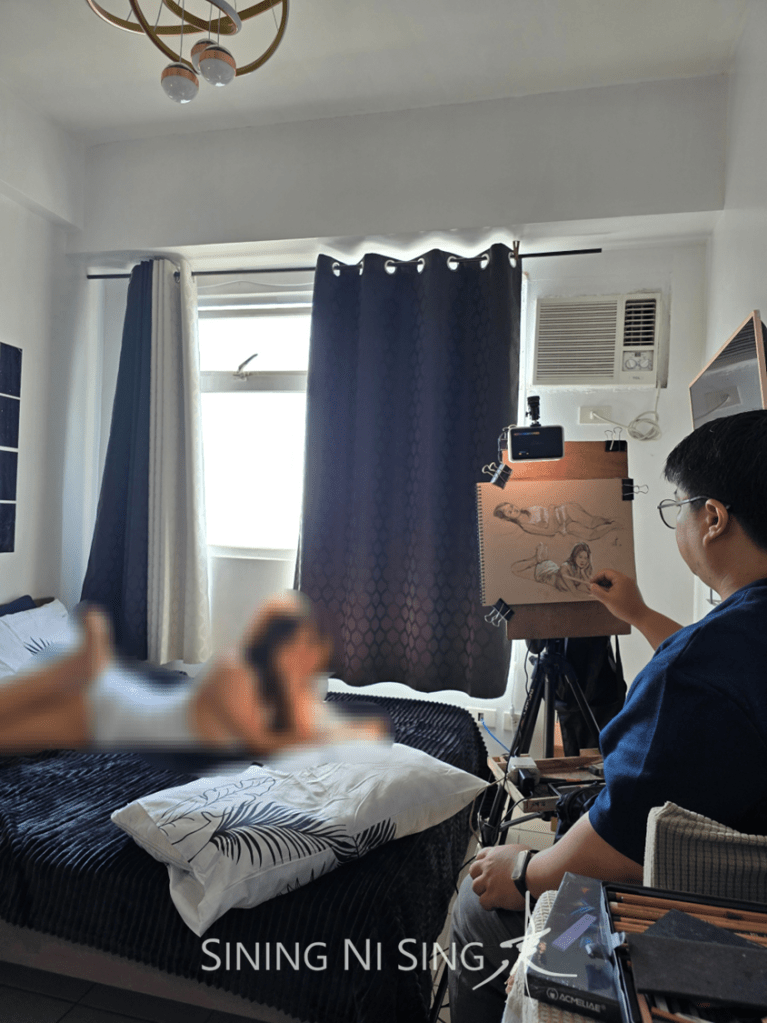

A Phenomenological Mirror
Her vulnerability is an illusion. Sometimes, she looks right back at you.
When Laya locks eyes with you, she holds all the authority. Her gaze is a phenomenological mirror—a deliberate psychological test. She does not demand a specific emotion; instead, she exposes exactly what you harbor. If a viewer looks at her and is confronted by their own malice, the painting has already rendered judgment on them. But if you can meet her stare and feel that grounded respect for the mastery of form? Then you understand exactly why she exists.
Laya has a lot to say, but the exact message you walk away with depends entirely on who you are.
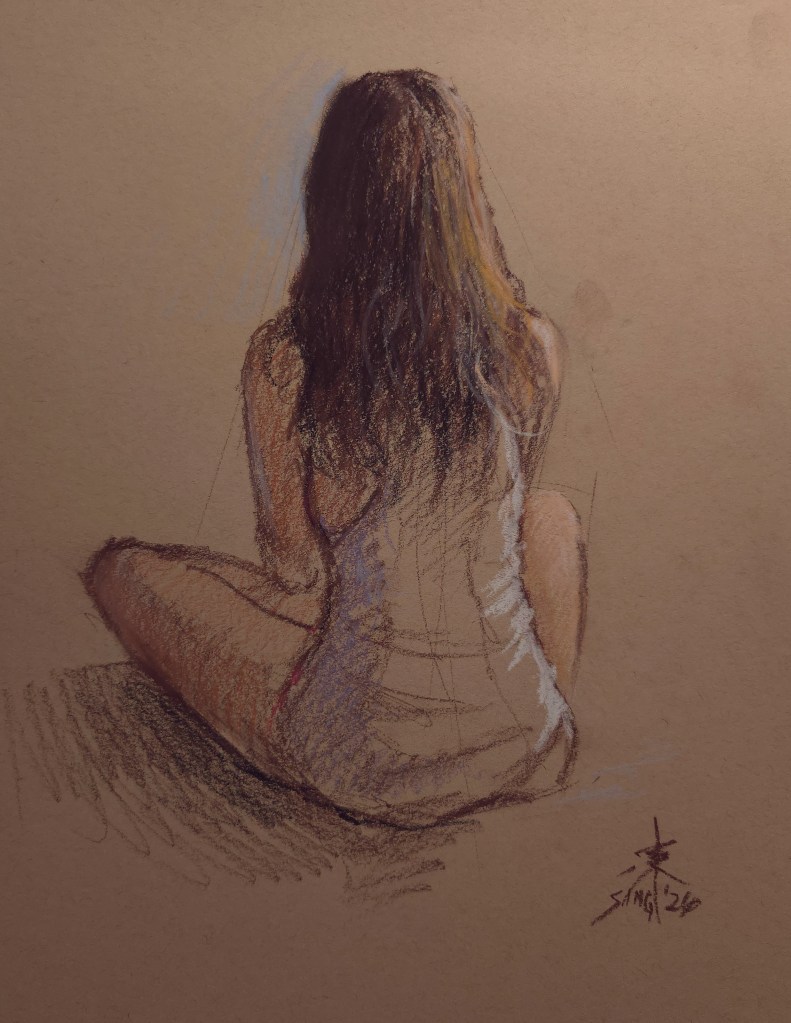
Note: Special thanks to my partner, who not only provided unwavering support for this ambitious project but also generously lent her own time and form to help bring Laya to life.
 Sining ni Sing